

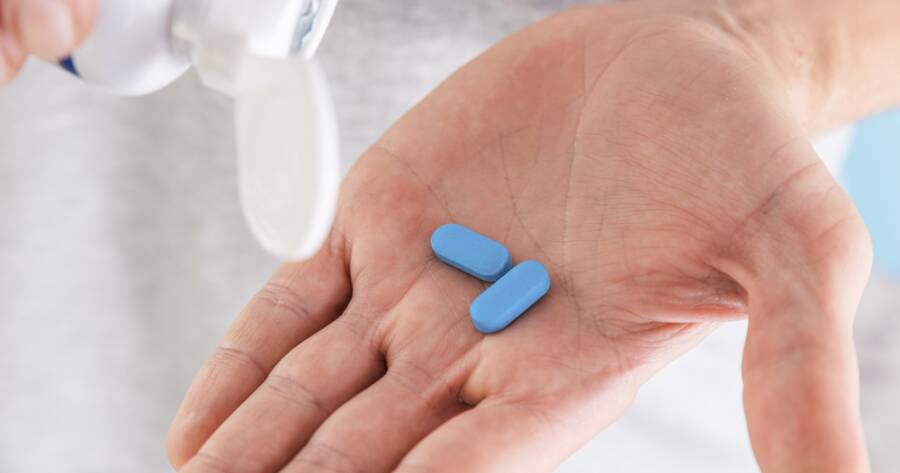
Pre-exposure prophylaxis (PrEP) stands as a vital tool in HIV prevention, employing medications like Truvada and Apretude to hinder virus transmission for at-risk individuals. With guidelines highlighting eligibility, varied medication options, and stringent monitoring, PrEP’s accessibility through programs enhances public health efforts. Understand its efficacy, safety, and comprehensive role in reducing HIV transmission risks.
Understanding Pre-Exposure Prophylaxis (PrEP)
Pre-exposure prophylaxis, often abbreviated as PrEP, has risen as a pivotal HIV prevention strategy, offering significant efficacy for those at risk of contracting HIV. Designed for individuals without HIV, PrEP involves the use of designated medications to block the virus’s transmission. This method is approved by the FDA and includes both daily oral doses and long-acting injectable forms as preventive measures for at-risk populations.
PrEP Eligibility and Guidelines
Eligibility for PrEP extends to individuals engaging in high-risk activities such as unprotected sex with an HIV-positive partner, recent STIs, and injection drug use. Essential guidelines state that before starting PrEP, it’s mandatory to confirm the individual is HIV-negative, with continuous testing every three months during the regimen. The emphasis on maintaining these health checks ensures the efficacy and safety of the treatment.
Types of PrEP Medications
Different PrEP medications cater to various preferences and health needs. FDA-approved oral options include Truvada and Descovy, while injectable forms such as Apretude and Yeztugo are gaining popularity. These options, administered either daily, monthly, or bi-monthly, provide flexibility in choosing a regimen that best fits individual lifestyles and medical conditions.
PrEP Efficacy and Safety
PrEP significantly reduces the risk of HIV acquisition, achieving nearly 99% effectiveness when taken as prescribed for sexual transmission, and up to 74% for injection drug-related protection. However, it is important to note that PrEP does not guard against other STIs. Therefore, combining PrEP with consistent condom use is recommended to maximize overall sexual health safety.
Addressing Side Effects and Monitoring
Like all medications, PrEP can lead to side effects, though they are typically mild, such as nausea and headache. More serious concerns, like kidney impairment or lactic acidosis, emphasize the necessity of regular health evaluations while on PrEP. Regular consultations with healthcare professionals are advised to navigate these potential issues safely.
Cost and Accessibility of PrEP
The accessibility of PrEP has improved, primarily due to mandates under the Affordable Care Act, which require most health plans to cover the medication with no out-of-pocket costs. This aligns with USPSTF’s Grade A recommendation, making PrEP a feasible option for a wider range of individuals. Additionally, various assistance programs, like State PrEP Assistance Programs and Drug Manufacturers Patient Assistance Programs, offer support for those without insurance.
PrEP as Part of Comprehensive HIV Prevention
PrEP is an integral component of a broader strategy to eliminate HIV, contributing to goals such as the National HIV/AIDS Strategy. This initiative aims to end the HIV epidemic in the United States by 2030 through preventive measures like PrEP, emphasizing its role in public health in stopping HIV transmission.
Learn More About PrEP Information and Guidelines
The proactive use of PrEP is central to mitigating HIV risks, beneficial for individuals who engage in high-risk behaviors and those wishing to protect their health. By understanding the information and guidelines surrounding PrEP, individuals can better participate in their healthcare planning. This knowledge enables informed decisions about using PrEP to safeguard against HIV and reinforces the role of ongoing healthcare collaboration and adherence to prevent HIV transmission successfully.
Sources
National guidelines and accessibility of PrEP
Understanding PrEP and its primary uses
FDA approval and effectiveness of PrEP